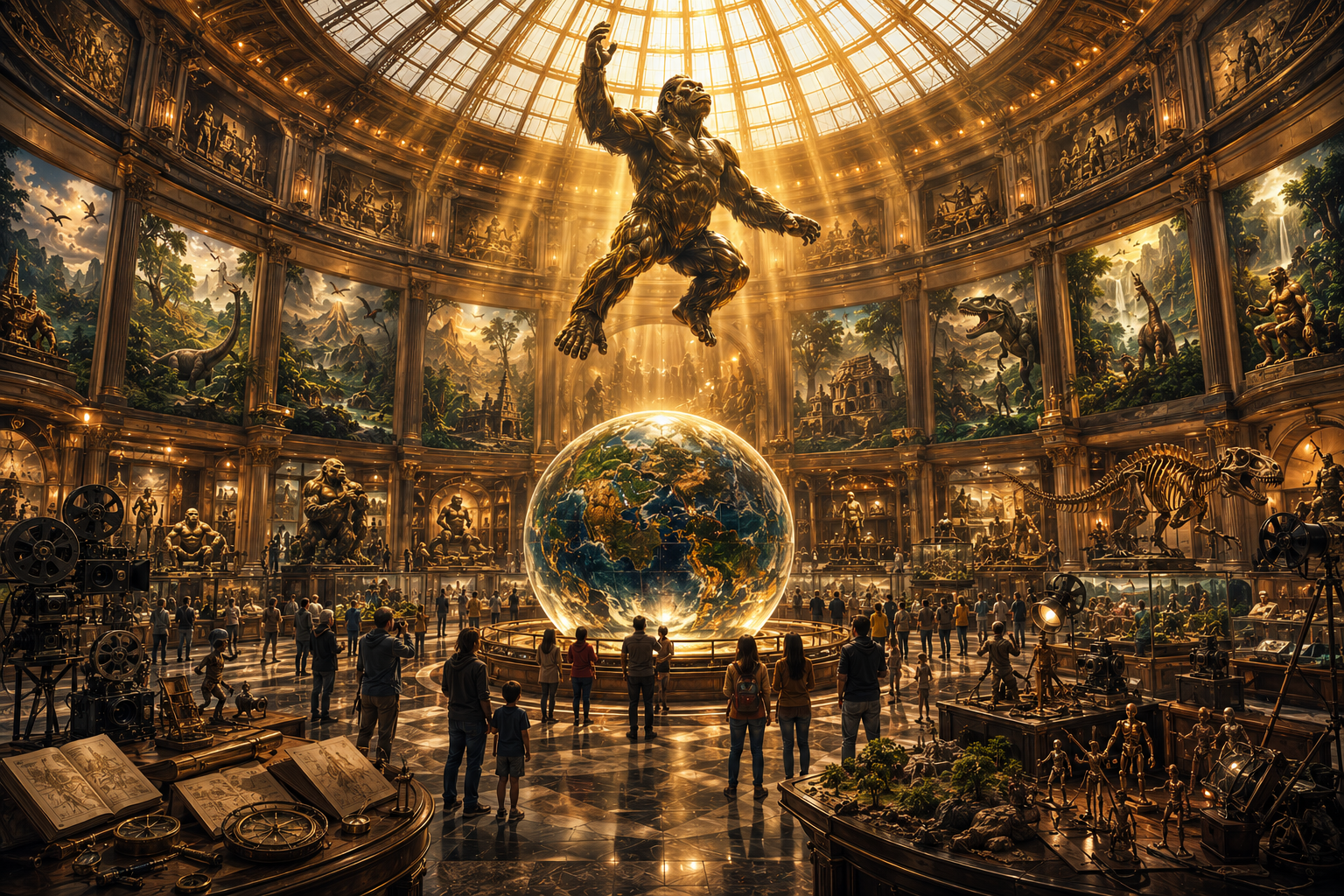
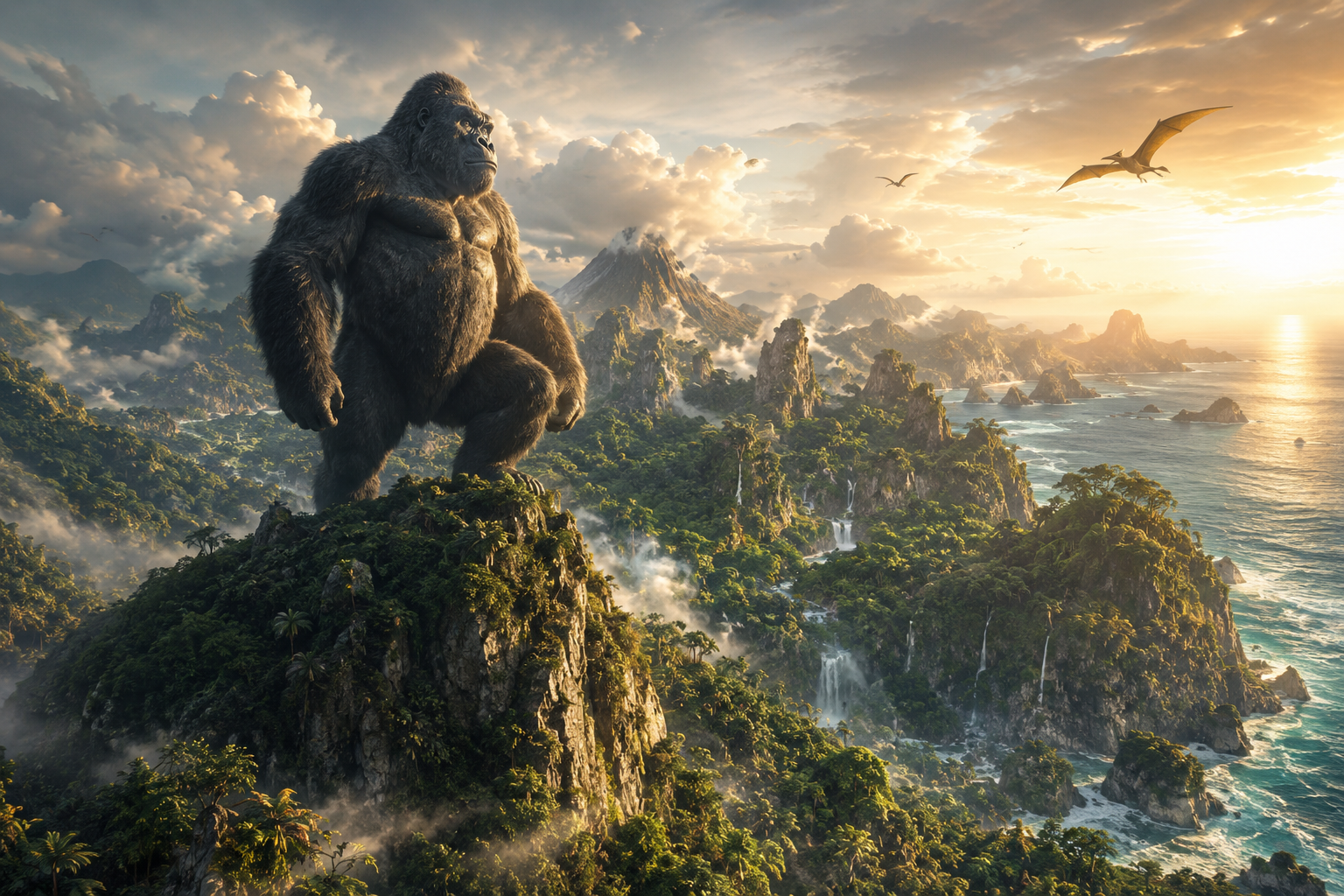
King Kong History began in 1933 with the release of a film that forever changed the world of cinema. Audiences were introduced to a towering giant ape unlike anything they had ever seen before—a creature both terrifying and sympathetic, capable of incredible strength yet driven by emotion. Nearly a century later, King Kong remains one of the most recognizable and beloved characters in movie history. The American Film Institute has recognized King Kong as one of the most influential films in cinema history.
Unlike many movie monsters, Kong is not simply a force of destruction. He is a protector, a survivor, and a tragic figure caught between the natural world and human ambition. His story has evolved across generations, inspiring filmmakers, artists, toy manufacturers, comic book creators, and collectors around the globe.
From the mysterious jungles of Skull Island to the skyscrapers of New York City and the hidden depths of the Hollow Earth, King Kong’s adventures continue to captivate audiences of all ages.
In this article, we’ll explore the complete history of King Kong, discover how the character evolved over the decades, examine his influence on filmmaking, and look at why he remains one of the greatest legends in popular culture.
In This Guide
King Kong History Begins in 1933
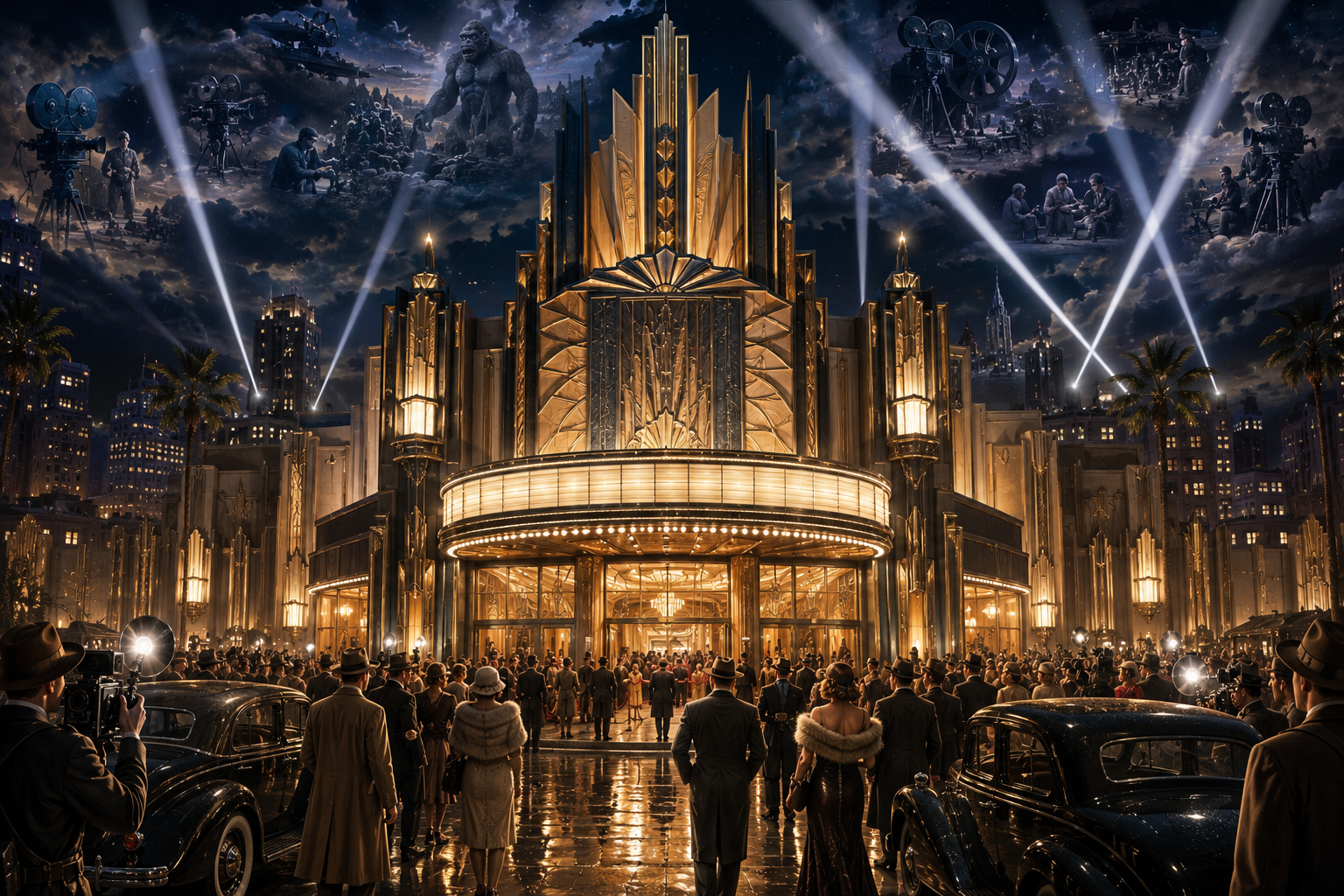
The story of King Kong began during Hollywood’s Golden Age. Released in 1933 by RKO Radio Pictures, King Kongwas directed by Merian C. Cooper and Ernest B. Schoedsack, two adventurous filmmakers who wanted to create something audiences had never experienced before.
Their vision was ambitious: combine thrilling adventure, groundbreaking visual effects, and emotional storytelling into a single unforgettable film.
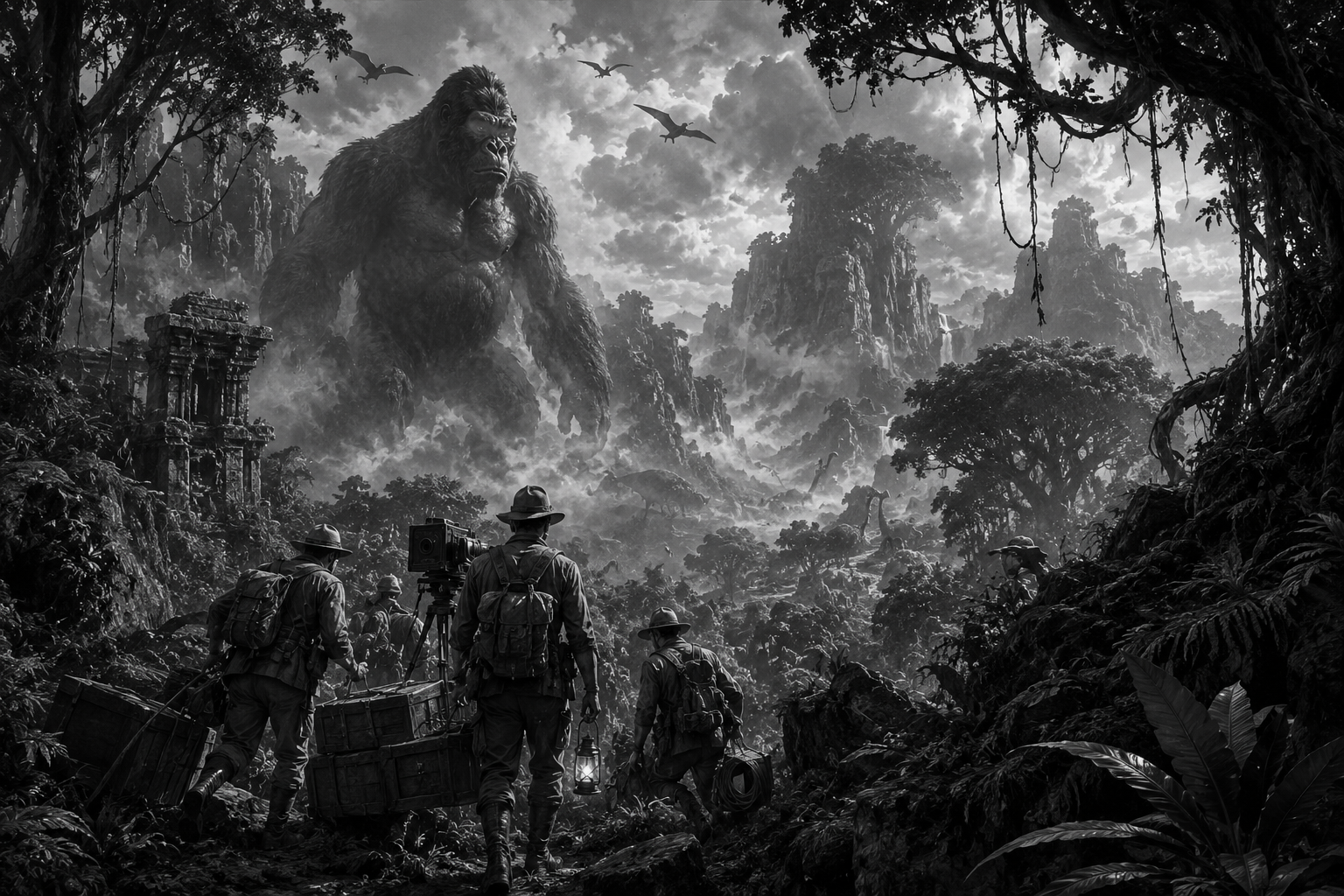
The movie follows filmmaker Carl Denham, who leads an expedition to the mysterious Skull Island in search of an extraordinary discovery. There they encounter prehistoric creatures, a secluded native civilization, and the island’s legendary guardian—a colossal ape named Kong.
When actress Ann Darrow captures Kong’s attention, the story takes an emotional turn. Rather than portraying Kong as a mindless monster, the film reveals a creature capable of curiosity, protectiveness, and even affection. This emotional complexity helped distinguish King Kong from other movie creatures of the era and contributed to the film’s lasting appeal.
After Kong is captured and transported to New York City, he escapes captivity, leading to one of the most iconic scenes in film history as he climbs the Empire State Building while desperately trying to protect Ann. The tragic ending, punctuated by the famous line, “It wasn’t the airplanes. It was Beauty killed the Beast,” secured King Kong’s place as one of cinema’s greatest stories.
The success of the film proved that audiences were eager for imaginative storytelling, and King Kong quickly became a cultural phenomenon. Learn more about the original 1933 King Kong on IMDb.
The Visionaries Who Created King Kong
Behind every legendary character are visionary creators, and King Kong was no exception. Merian C. Cooper dreamed of telling a story about a giant ape battling prehistoric creatures, inspired by adventure tales and his fascination with unexplored places. Ernest B. Schoedsack brought documentary-style realism to the project, making the fictional world feel believable.
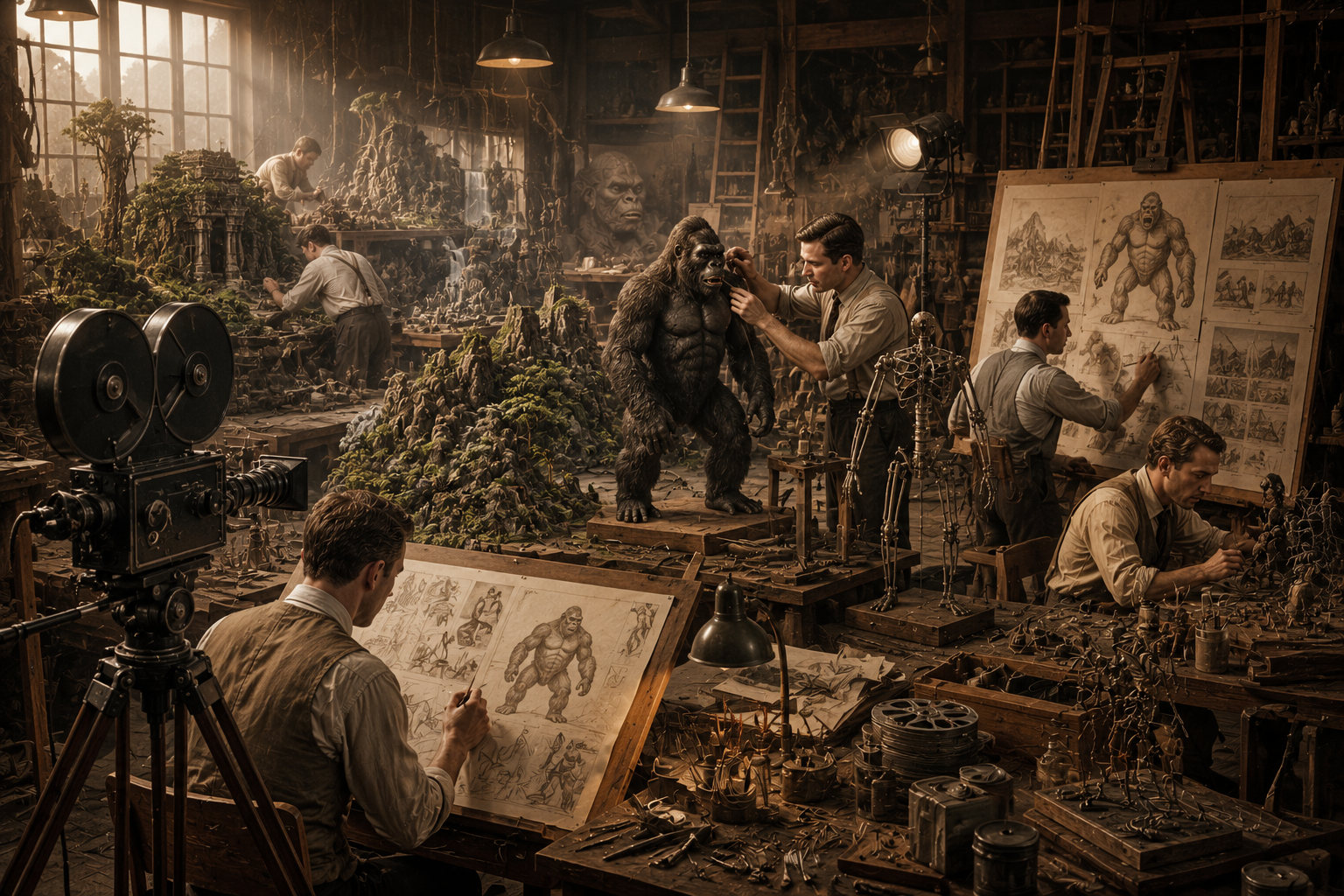
Perhaps the most influential contributor was special effects pioneer Willis O’Brien. Using stop-motion animation, O’Brien painstakingly brought Kong to life one frame at a time. Every movement required careful adjustment of miniature models before each photograph was taken, resulting in an illusion of life that astonished audiences in 1933. Explore the history of filmmaking and classic cinema at the Academy Museum of Motion Pictures.
The combination of storytelling, innovative filmmaking, and groundbreaking visual effects created a movie unlike anything that had come before. It established new standards for fantasy and adventure films and influenced generations of filmmakers who followed.
King Kong demonstrated that audiences could connect emotionally with a creature created through practical effects, proving that compelling characters could exist beyond human actors. This innovation paved the way for countless cinematic achievements in the decades that followed.The Library of Congress selected King Kong for preservation in the National Film Registry because of its cultural and historical significance.
How King Kong Changed Hollywood Forever
King Kong History Begins in 1933, influence of King Kong extends far beyond its own story. It transformed the film industry by showing what could be accomplished with imagination, creativity, and technical innovation.
At a time when visual effects were still in their infancy, the film combined stop-motion animation, miniature sets, rear projection, matte paintings, and carefully crafted sound design to create a believable fantasy world. These techniques became the foundation for many of Hollywood’s future special effects.
The film’s impact can be seen in classics such as Jason and the Argonauts, Star Wars, Jurassic Park, and The Lord of the Rings. Directors including Steven Spielberg, George Lucas, Peter Jackson, and Guillermo del Toro have all acknowledged the inspiration they found in King Kong.
Beyond technical achievements, King Kong also demonstrated that audiences could sympathize with a non-human character. This emotional storytelling became a blueprint for later films featuring creatures and monsters with depth and personality.
Even today, film historians continue to rank the original King Kong among the most influential movies ever made, a testament to its enduring legacy and remarkable innovation
Skull Island: The Legendary Home of King Kong
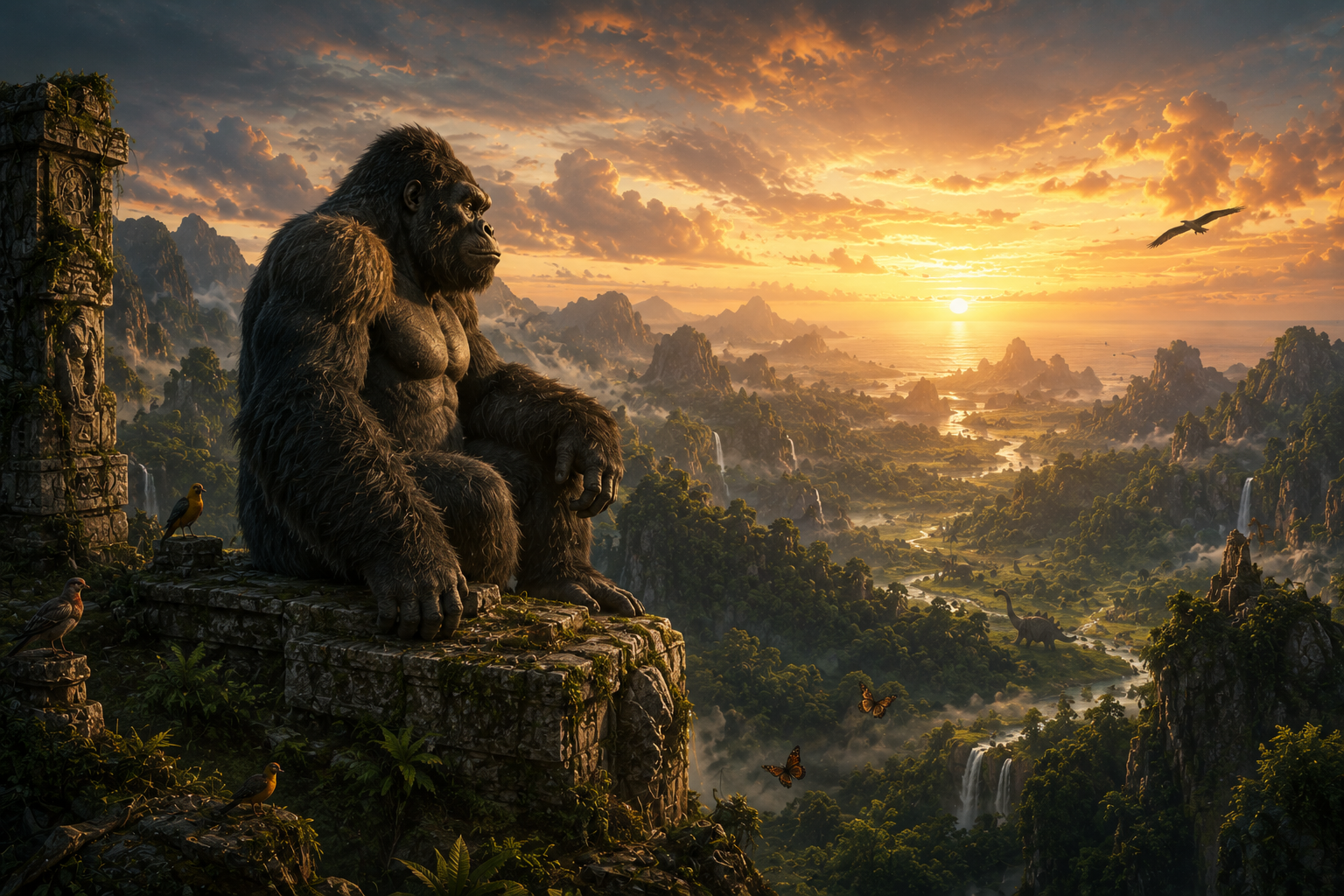
King Kong History fictional locations in movie history are as memorable as Skull Island. Hidden somewhere in the remote Pacific Ocean, this mysterious island has fascinated audiences for generations. Filled with towering cliffs, dense jungles, ancient ruins, and creatures thought to be extinct for millions of years, Skull Island serves as much more than a backdrop—it is a living character in King Kong’s story.
The original 1933 film introduced viewers to an island unlike anything seen before. Massive walls built by native inhabitants separated their village from the dangerous wilderness beyond. Behind those walls lived gigantic dinosaurs, prehistoric reptiles, enormous insects, and the island’s most powerful resident—King Kong.
As the King Kong franchise evolved, so did Skull Island. Peter Jackson’s 2005 remake transformed it into an eerie ecosystem where every creature appeared adapted to survive in one of the harshest environments imaginable. The 2017 film Kong: Skull Island expanded the island even further, introducing new monsters such as the terrifying Skullcrawlers and portraying Kong as the island’s protector rather than its greatest threat.
Skull Island symbolizes nature untouched by modern civilization. It is a place where evolution followed its own path and where humans quickly discover they are no longer at the top of the food chain. This unique setting continues to inspire filmmakers, artists, and collectors, making Skull Island one of cinema’s most iconic fictional locations.

Why King Kong Is More Than a Monster
One of the reasons King Kong has remained popular for nearly a century is that he is far more than a giant creature causing destruction.
Unlike traditional movie monsters, Kong displays intelligence, curiosity, compassion, and loyalty. Throughout nearly every version of his story, he acts not out of evil but in response to fear, captivity, or the desire to protect those he cares about.
His relationship with Ann Darrow remains one of the most discussed aspects of the original film. While interpretations have evolved over the decades, Kong’s attachment to Ann has often been portrayed as one of fascination and protectiveness rather than malice. This emotional connection transforms him from a terrifying beast into a tragic figure.
Many film historians also view King Kong as a symbol of humanity’s relationship with nature. The story explores themes of exploitation, greed, and the consequences of removing wild creatures from their natural environment. Kong’s capture and transportation to New York ultimately lead to tragedy, reminding audiences that some wonders of the natural world are not meant to be controlled.
These deeper themes continue to resonate with modern audiences and help explain why King Kong remains one of the most emotionally complex characters in cinematic history.
The Evolution of King Kong Through the Decades
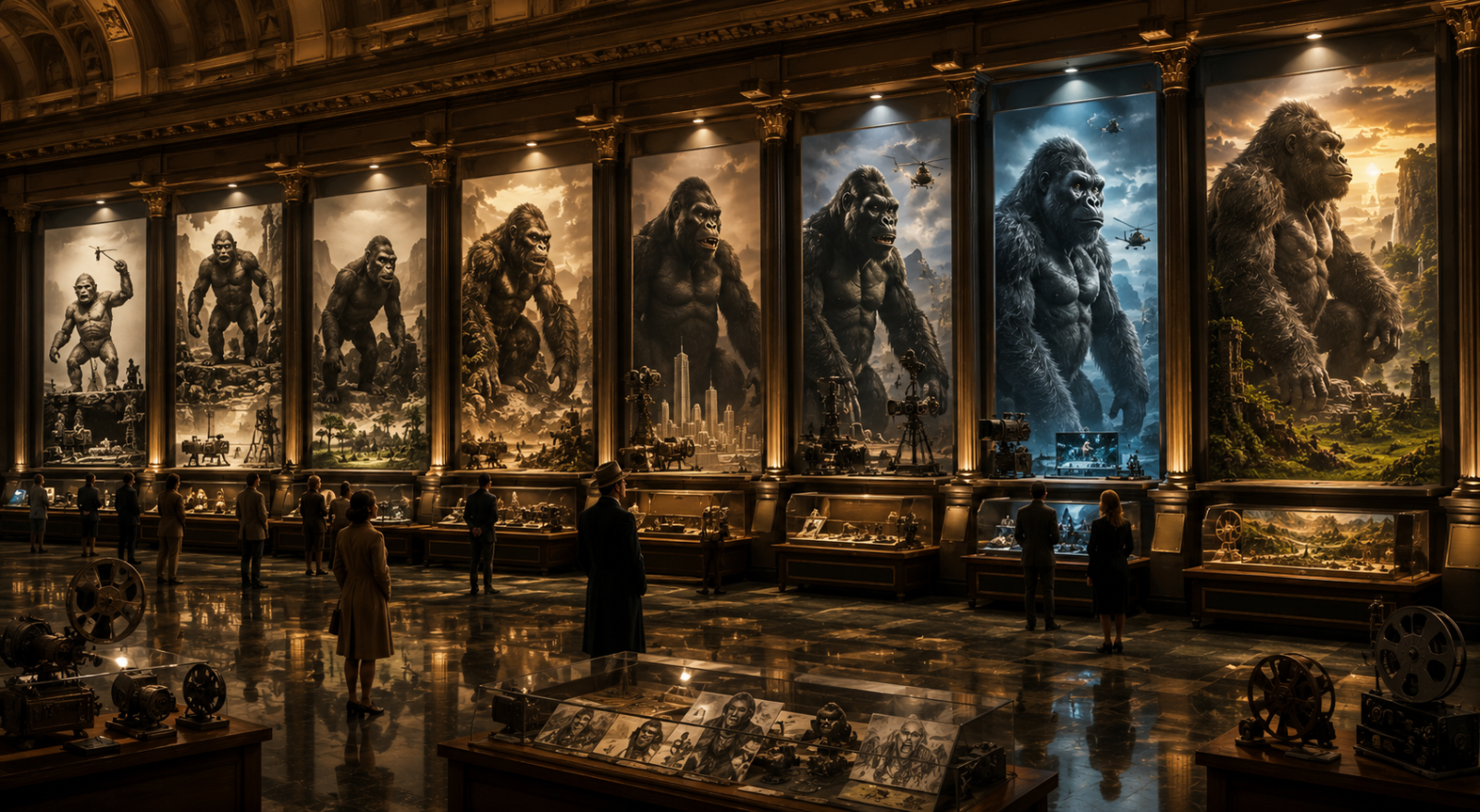
King Kong has appeared in numerous films over the years, with each generation introducing the legendary ape to new audiences.
King Kong (1933)
The original classic remains one of the most influential movies ever produced. Its revolutionary visual effects and unforgettable story established King Kong as a worldwide phenomenon.
Son of Kong (1933)
Released later the same year, this sequel followed Carl Denham’s return to Skull Island, where he encounters Kong’s smaller, friendlier offspring. While lighter in tone, it expanded the mythology introduced in the original film.
King Kong (1976)
This modern remake updated the story for a new generation. Produced during the era of blockbuster disaster films, it featured impressive practical effects and memorable scenes of Kong climbing New York City’s Twin Towers instead of the Empire State Building.
King Kong Lives (1986)
Serving as a sequel to the 1976 remake, this film imagined Kong surviving his fall and receiving an artificial heart. Although it received mixed reviews, it remains an interesting chapter in Kong’s cinematic history.
King Kong (2005)
Directed by Peter Jackson, this remake paid tribute to the 1933 original while dramatically expanding the story. Motion-capture technology, performed by Andy Serkis, gave Kong an unprecedented level of realism and emotional expression. Many fans consider this version one of the greatest remakes ever made.
Kong: Skull Island (2017)
Rather than retelling Kong’s origin, this film introduced audiences to a younger Kong during the 1970s. It also launched Legendary Pictures’ MonsterVerse, establishing Kong as a heroic guardian defending Skull Island from deadly Skullcrawlers.
Godzilla vs. Kong (2021)
After decades of fan debates, Kong and Godzilla once again faced each other in an epic battle. The film balanced spectacular action with character development while expanding the MonsterVerse mythology.
Godzilla x Kong: The New Empire (2024)
The latest chapter explores Kong’s search for others of his kind while introducing new Titans and expanding the mysteries of the Hollow Earth. It further develops Kong as both a leader and a protector.
King Kong and the MonsterVerse
Legendary Pictures’ MonsterVerse has introduced King Kong to an entirely new generation of fans.
Rather than portraying him solely as a tragic creature, these films emphasize Kong’s role as a guardian responsible for maintaining balance within nature. His intelligence, courage, and willingness to defend both humanity and the natural world have transformed him into one of the franchise’s true heroes.
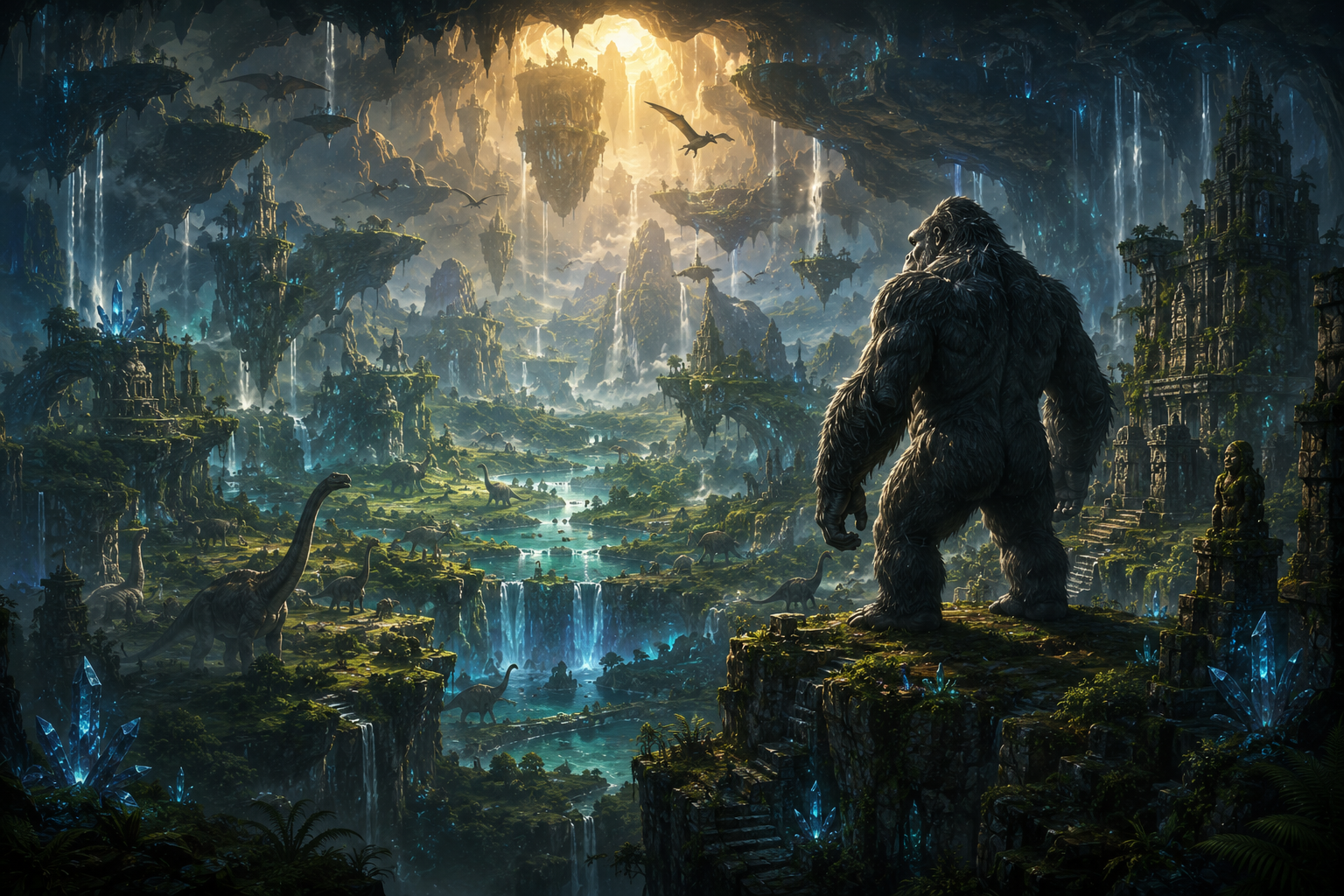
The MonsterVerse also introduced the Hollow Earth—a hidden world beneath the Earth’s surface filled with incredible landscapes, ancient civilizations, and gigantic creatures. This mysterious realm is revealed to be Kong’s ancestral home, providing a deeper understanding of his origins and expanding the mythology far beyond Skull Island.
These modern interpretations have helped keep King Kong relevant while honoring the legacy established by the original 1933 classic.
King Kong vs. Godzilla: A Rivalry for the Ages
Few matchups in movie history have generated as much excitement as King Kong versus Godzilla.
The rivalry first reached theaters in 1962 with the Japanese film King Kong vs. Godzilla. The movie became a worldwide sensation and established one of cinema’s greatest monster rivalries.
Nearly sixty years later, Godzilla vs. Kong reignited that excitement with spectacular battles set on aircraft carriers, in Hong Kong, and within the Hollow Earth. While the two Titans begin as rivals, they ultimately recognize a greater threat and work together when circumstances demand it.
Their rivalry continues to captivate audiences because both monsters represent different aspects of nature’s power. Godzilla embodies unstoppable force, while Kong represents intelligence, adaptability, and determination. Together they have become two of the most enduring icons in monster movie history.
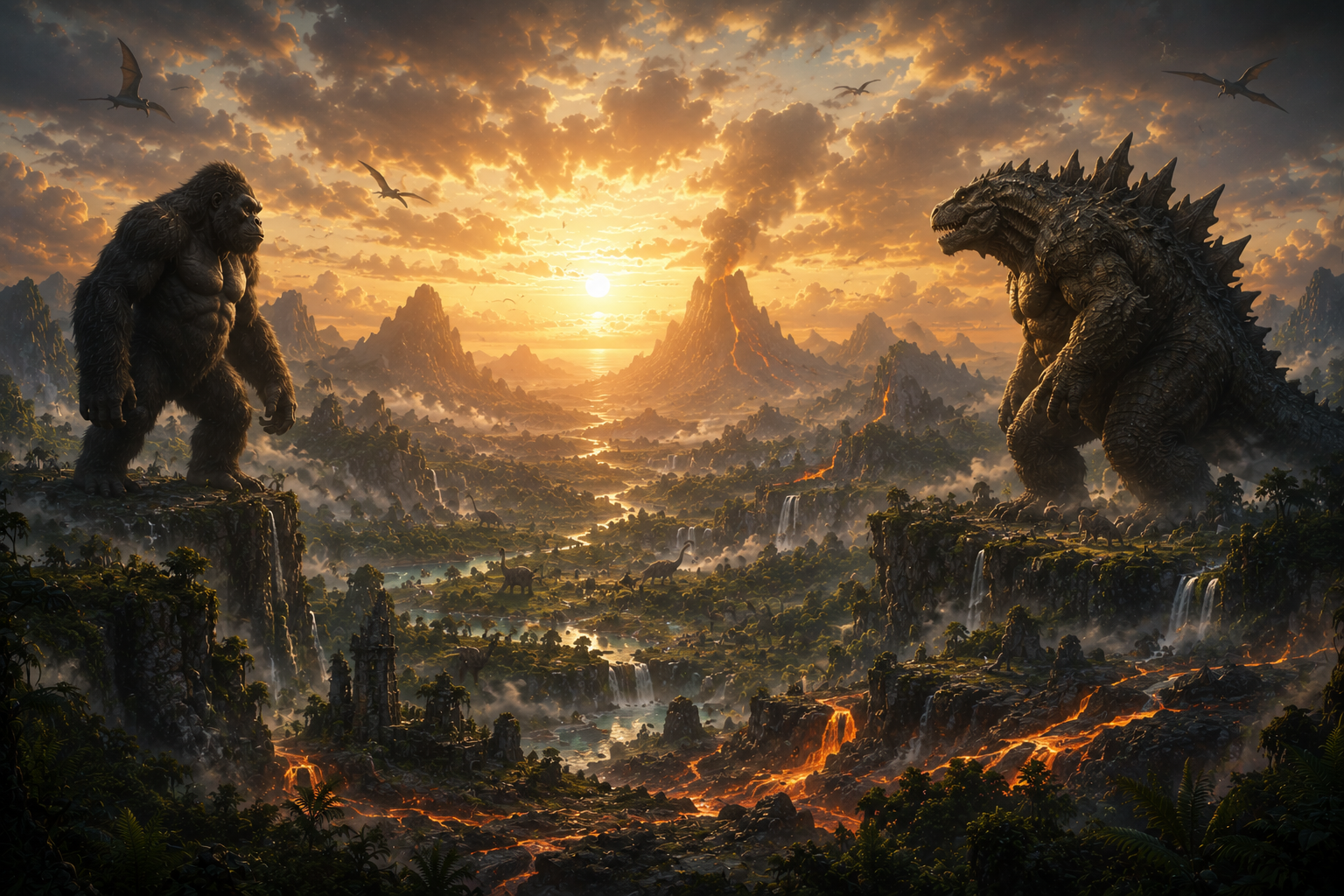
Collecting King Kong Memorabilia
King Kong has inspired nearly a century of collectibles, making him one of the most sought-after characters among movie memorabilia enthusiasts.
Collectors can find a wide variety of items, including vintage movie posters, action figures, resin statues, comic books, Blu-ray collector’s editions, model kits, and limited-edition artwork. Companies such as NECA, Hiya Toys, Super7, Mezco, and other manufacturers have produced highly detailed figures that celebrate Kong’s many appearances.
Vintage items from the original 1933 film remain among the most valuable pieces of movie memorabilia ever produced. While these are often beyond the reach of many collectors, modern releases offer excellent alternatives that capture Kong’s enduring appeal.
When starting a King Kong collection, consider focusing on a specific era, such as the classic black-and-white films, Peter Jackson’s 2005 adaptation, or the MonsterVerse series. Choosing a theme can help create a cohesive display while allowing your collection to grow over time.
As with any collectible, purchasing from reputable sellers, researching authenticity, and properly storing your items will help preserve their value and condition for years to come.
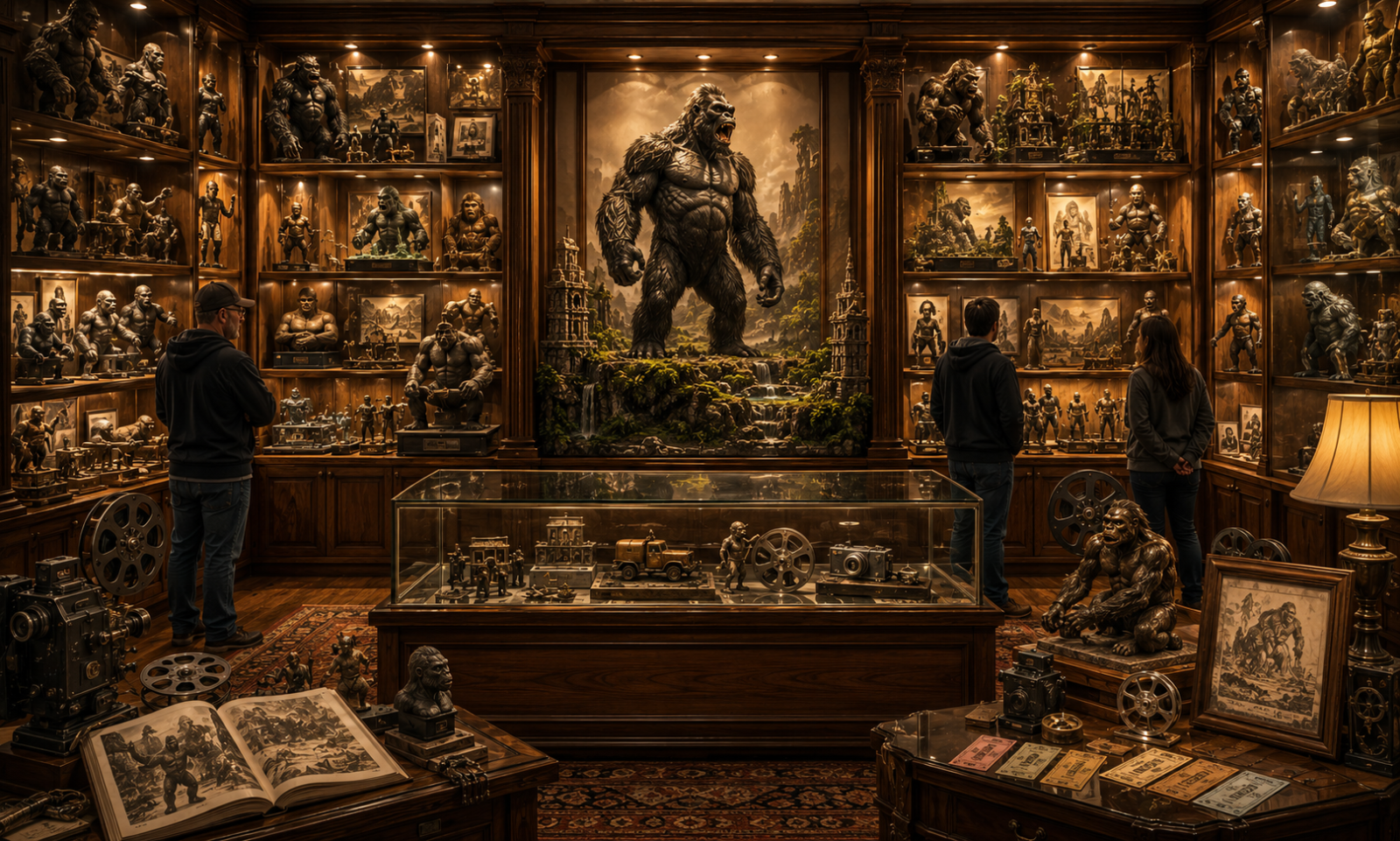
Why King Kong Continues to Inspire Generations
Very few fictional characters remain relevant for nearly one hundred years. King Kong has accomplished exactly that because his story speaks to universal themes that continue to resonate across generations.
He represents strength without cruelty, courage in the face of overwhelming odds, and the importance of protecting the natural world. His journey reminds us that appearances can be deceiving and that true heroes often emerge from the most unexpected places.
Each new generation experiences King Kong in a different way—through classic films, modern blockbusters, comic books, video games, action figures, and collectibles. Yet the heart of the character remains unchanged: a powerful guardian struggling to survive in a world that often fears what it does not understand.
That timeless message is one reason King Kong continues to inspire filmmakers, artists, and collectors around the globe.
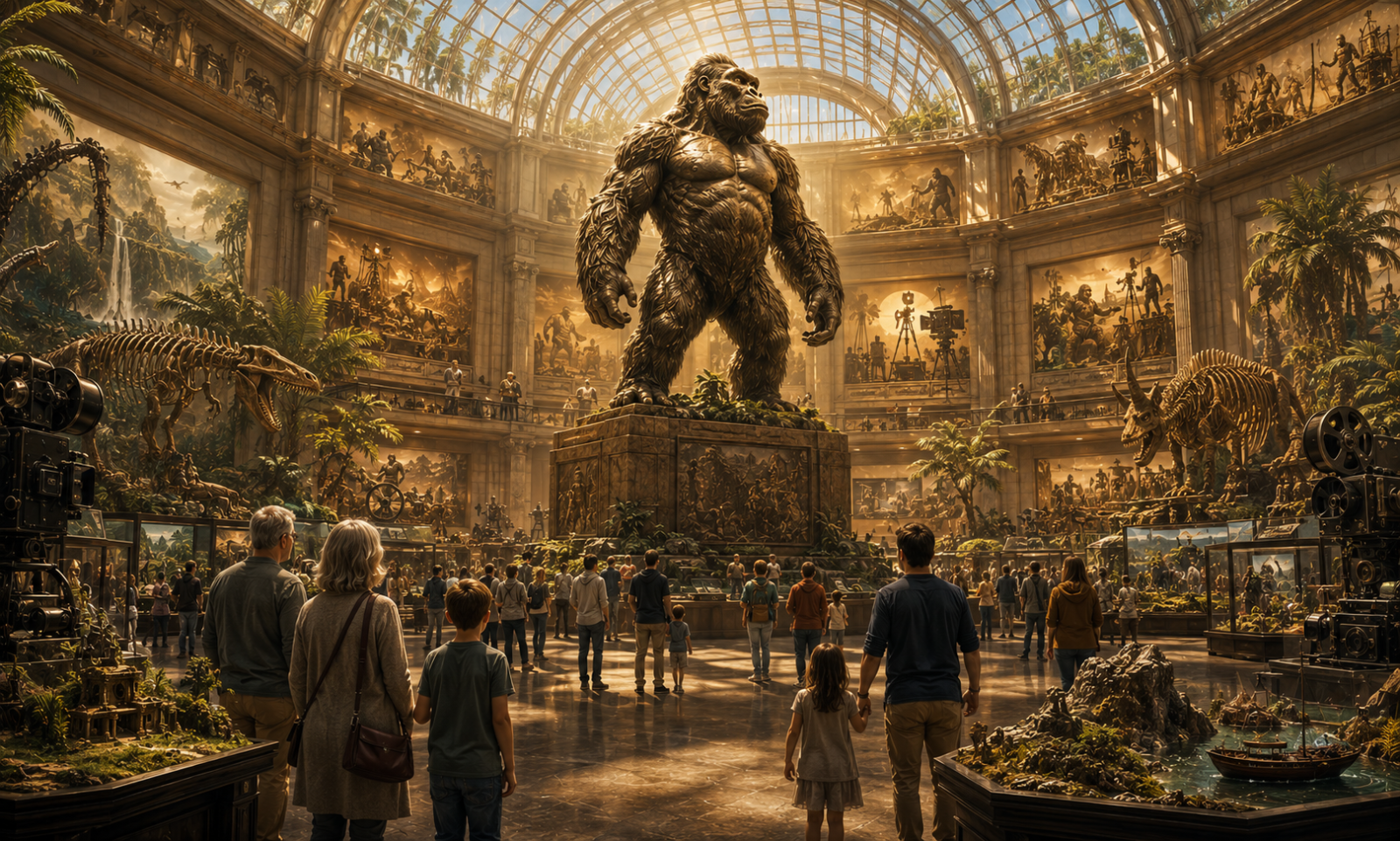
Conclusion
From his unforgettable debut in 1933 to his starring role in today’s MonsterVerse, King Kong has earned his place among the greatest icons in cinematic history. His story combines breathtaking adventure, groundbreaking filmmaking, emotional depth, and unforgettable characters, making him much more than a giant ape on the silver screen.
For collectors, King Kong represents nearly a century of movie history brought to life through posters, action figures, statues, comics, and countless other pieces of memorabilia. Every collectible tells part of Kong’s incredible journey and celebrates the creativity that has kept his legend alive for generations.
Whether you’re watching the original black-and-white classic for the first time or adding the newest MonsterVerse figure to your collection, King Kong continues to remind us why great stories never fade. His roar still echoes through theaters, museums, collector shelves, and the hearts of fans around the world.
As new films and collectibles continue to be released, one thing remains certain: the history of King Kong is still being written, and the King of Skull Island will continue inspiring future generations for many years to come.
Every great legend inspires a new generation of collectors. Whether you’re passionate about classic cinema, die-cast vehicles, action figures, comics, or rare collectibles, we invite you to continue the adventure at Collectors’ Pit Stop. Explore our carefully curated selection and discover unique treasures that celebrate the stories, characters, and nostalgia we all love. Thank you for visiting—we hope to welcome you as part of our collecting community.